

When choosing an electric scooter, riders often focus on top speed, motor power, battery range, and braking performance. However, there is another specification that deserves attention, especially for those who ride outdoors: the IP rating.
An IP rating tells you how well an electrical product is protected against dust and water. For electric scooters, understanding this rating can help you choose a model that better matches your daily riding environment and weather conditions.
But what do the numbers in an IP rating actually mean?
What Is an IP Rating?
IP stands for Ingress Protection. It is an internationally recognised rating system used to indicate how well an electrical product's enclosure protects its internal components from solid particles and liquids.
An IP rating normally consists of two numbers, such as IP54.
The first number indicates protection against solid particles such as dust.
The second number indicates protection against water.
The higher the number, the greater the level of protection against the specific type of intrusion being measured. However, an IP rating does not mean that an electric scooter is completely waterproof.
What Does the First IP Number Mean?
The first digit represents protection against solid particles.
The scale generally ranges from 0 to 6:
- 0 – No protection
- 1–4 – Protection against larger objects and particles
- 5 – Dust protected
- 6 – Dust-tight
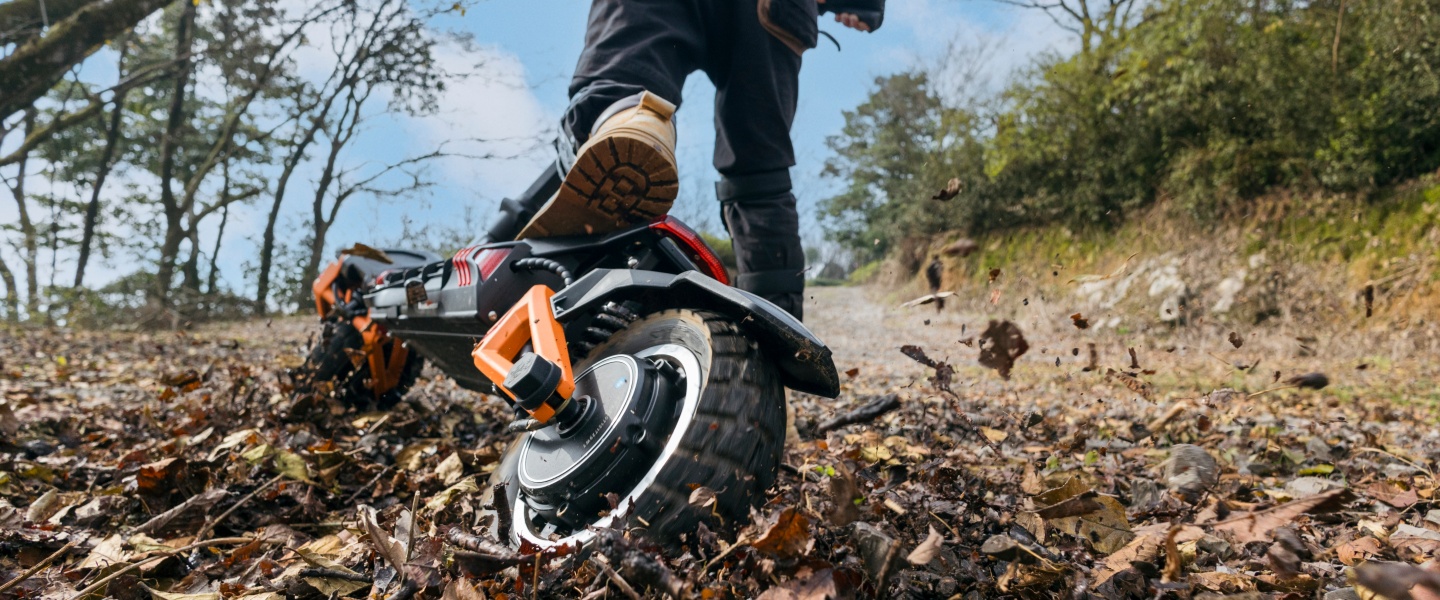
For electric scooters, dust protection can be useful when riding on dry roads, gravel paths, or dusty urban routes.
Keeping dust and other particles away from sensitive electrical components can help support reliable operation.
What Does the Second IP Number Mean?
The second digit represents protection against water.
Different numbers indicate different levels of protection, from limited protection against dripping water to protection against stronger water exposure.
For example, an IP54 rating means the product is protected against dust to a certain level and against water splashes from different directions.
However, this does not mean the scooter can be submerged in water or safely ridden through deep puddles.
Does a Higher IP Rating Mean an Electric Scooter Is Waterproof?
Not necessarily.
This is one of the most important things riders should understand.
An IP rating describes protection under specific testing conditions. It does not guarantee that an electric scooter will remain safe in every type of weather.
Heavy rain, deep puddles, flooding, high-pressure water, or prolonged exposure to moisture can still allow water to reach electrical components.
Even with a suitable IP rating, riders should avoid unnecessary water exposure and follow the manufacturer's recommendations.
Why Does IP Rating Matter for Electric Scooters?
Electric scooters contain many important electrical components, including the battery, motor, controller, display, and wiring.
If excessive water or dust reaches these components, it may affect the scooter's performance and long-term reliability.
This makes IP protection an important specification to consider, particularly for riders who use their scooters regularly outdoors.
For European riders, where weather conditions can vary considerably throughout the year, understanding IP ratings can be especially useful when comparing different electric scooters.
A KuKirin Example: KuKirin T3
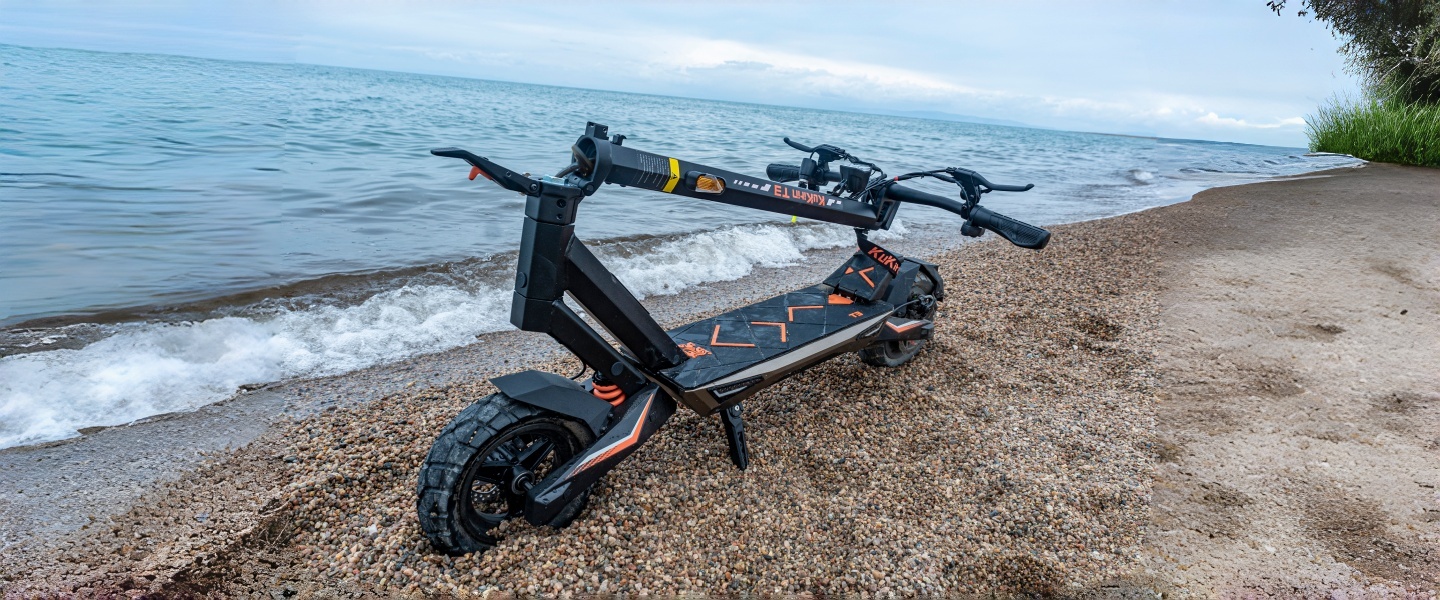
The KuKirin T3 is a good example of how an IP rating can be presented as part of an electric scooter's specifications. The T3 has an IP54 rating, meaning it provides dust protection and protection against water splashes.
This can be useful for everyday riding in changing outdoor conditions, but an IP54 rating should not be interpreted as completely waterproof. Riders should still avoid deep water, prolonged heavy rain, and unnecessary exposure to moisture.
What Should You Consider When Choosing an Electric Scooter?
IP rating is only one factor to consider when choosing an electric scooter.
You should also think about:
- Your usual riding environment
- Local weather conditions
- Road surfaces
- Riding frequency
- Battery capacity
- Motor performance
- Braking system
- Tyres and suspension
For example, a scooter designed for everyday urban travel may require a different balance of features from one intended for rougher terrain.
Rather than choosing a scooter based on a single specification, consider how all of its components work together to meet your riding needs.
How Can You Protect Your Electric Scooter?
Regardless of the IP rating, good riding and storage habits can help protect your scooter.
Avoid Deep Water
Do not ride through deep puddles or flooded roads. Water can reach electrical components even when a scooter has a water-resistance rating.
Keep the Charging Port Dry
Make sure the charging port and charger are completely dry before charging the scooter.
Dry the Scooter After Wet Rides
If you ride in light rain or on wet roads, wipe away visible moisture and allow the scooter to dry before storing or charging it.
Store It in a Dry Place
Whenever possible, keep your electric scooter indoors or in a dry, sheltered environment instead of leaving it exposed to rain for long periods.
Follow the Manufacturer's Instructions
Always check the specifications and user manual for your specific model. Different electric scooters may have different levels of dust and water protection.
Conclusion
Understanding IP ratings can make it easier to compare electric scooters and choose a model that suits your riding environment.
Remember that the first IP number represents protection against solid particles, while the second number represents protection against water. A higher rating generally means a higher level of protection, but it does not mean an electric scooter is completely waterproof.
For everyday riders, choosing an appropriate IP rating and taking sensible precautions can help protect the scooter's electrical components and support reliable performance.
Whether you're commuting through the city, exploring new routes, or enjoying weekend rides, understanding IP protection is an important part of making a more informed electric scooter choice.
Lora