

When choosing an electric scooter, range is one of the first specifications most riders look at. A scooter that can travel further on a single charge can certainly be convenient, but more range does not always mean a better choice for every rider.
The right electric scooter range depends on your daily journey, riding habits, road conditions, and how often you have access to a charger.
So, how much range do you really need?
What Does Electric Scooter Range Mean?
Electric scooter range refers to the approximate distance a scooter can travel on a single full charge.
Manufacturers usually provide a maximum or claimed range based on specific testing conditions. In real-world riding, however, the actual range can vary.
Factors such as rider weight, speed, terrain, temperature, tyre pressure, and riding style can all affect battery consumption.
This means that instead of choosing a scooter simply because it has the longest advertised range, it's better to consider how far you actually need to travel.
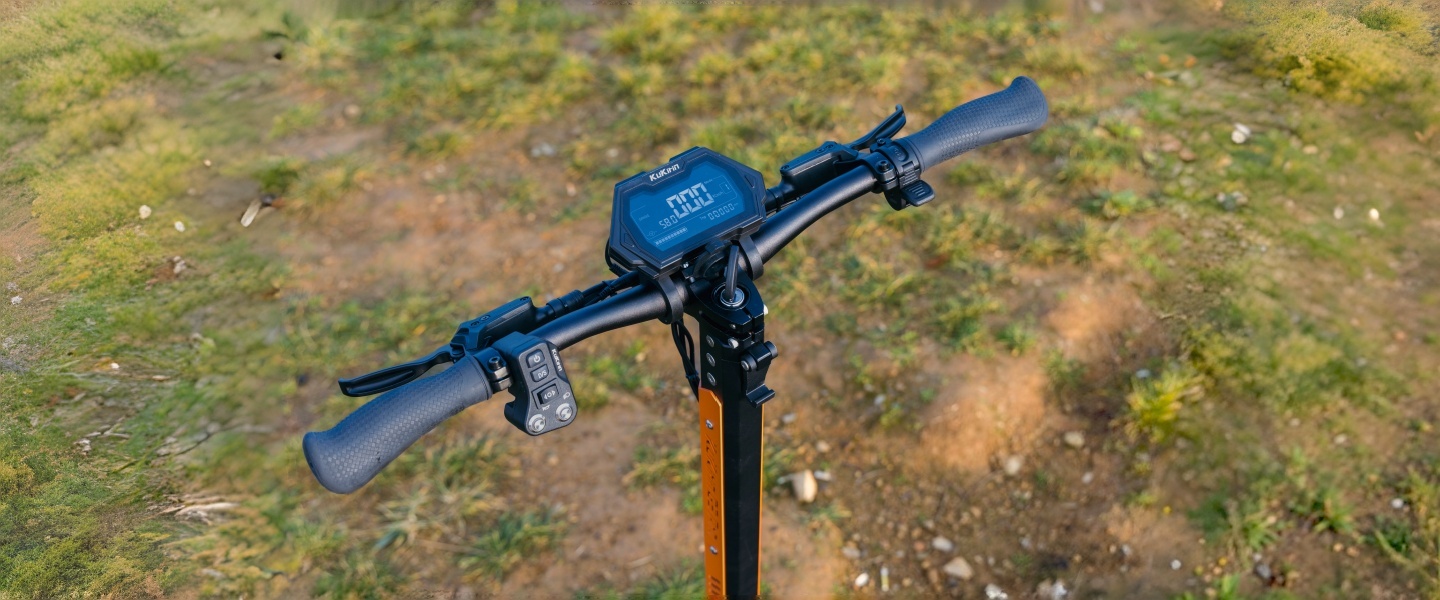
How Much Range Do You Need for Daily Commuting?
For short daily journeys, you may not need an extremely long-range electric scooter.
If your daily commute is only a few kilometres each way, a scooter with a moderate range may be sufficient. Having some additional range is still useful because it gives you more flexibility if you take a different route, make an extra stop, or cannot charge immediately.
For example, if your total daily journey is around 10 km, choosing a scooter with a claimed range significantly above that distance can provide a useful buffer.
What If You Have a Longer Commute?
If your commute involves longer distances, range becomes more important.
A longer-range electric scooter means fewer charging stops and more flexibility during the day. This can be particularly useful for riders who combine commuting with shopping, errands, or other activities.
As a general rule, consider your total daily distance rather than just the distance between your home and workplace.
For example:
Home → Work → Shops → Home
All of these journeys contribute to your daily range requirement.
It's also worth leaving some battery capacity in reserve rather than planning every journey around the scooter's maximum claimed range.
A KuKirin Example: Choosing More Range for Longer Trips
Different riders have different range requirements. Someone travelling short distances around the city may be perfectly comfortable with a compact scooter, while a rider with a longer daily route may prefer additional battery capacity.
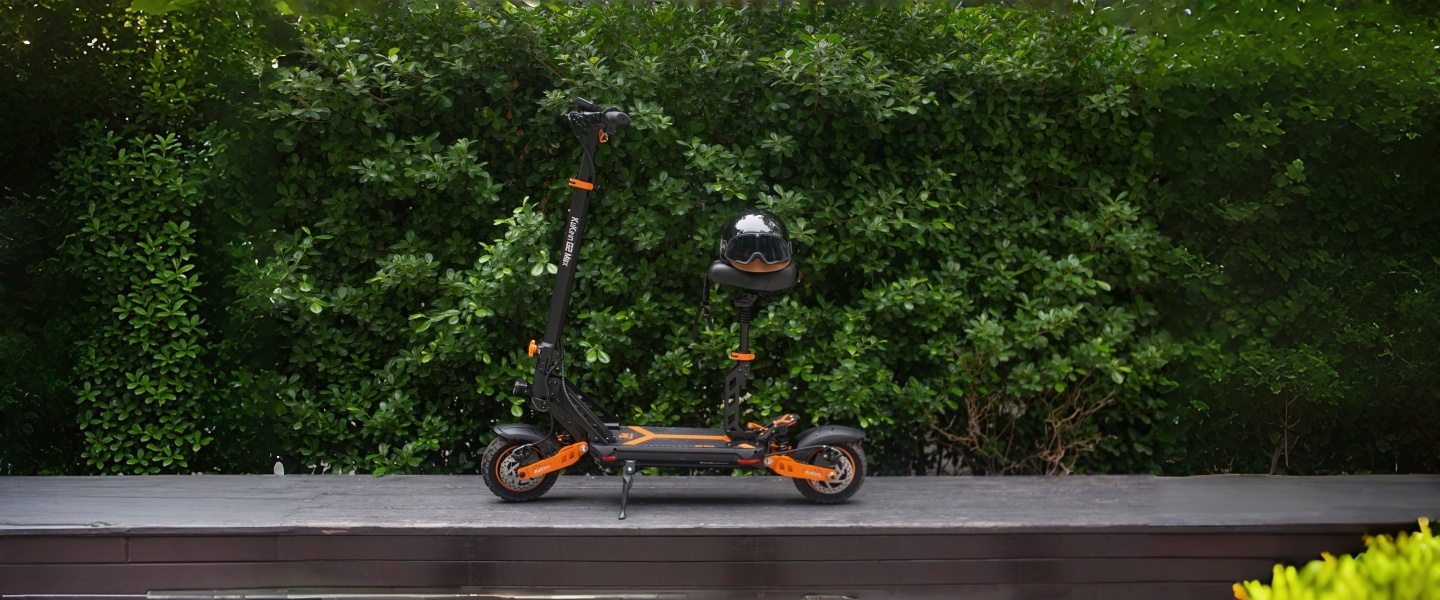
For example, the KuKirin G2 Max offers a claimed range of up to 80 km(at medium speed), making it an option for riders who want more range for longer journeys and fewer charging stops.
The important point is not simply to choose the scooter with the biggest range. Instead, think about your typical daily distance and choose enough capacity to give yourself a comfortable buffer.
What Can Affect Real-World Range?
The range shown in a product specification is not necessarily the distance you'll achieve in every situation.
Riding Speed
Higher speeds generally require more energy. If you ride at higher speeds for extended periods, your battery may drain faster.
Rider Weight
A heavier total load requires more energy from the motor, which can reduce the distance available from a single charge.
Terrain
Flat roads generally require less energy than steep hills. Frequent climbing can significantly increase battery consumption.
Weather and Temperature
Cold temperatures can affect battery performance and may reduce available range. Strong winds can also require the motor to work harder.
Tyre Pressure
Incorrect tyre pressure can increase rolling resistance and cause the motor to use more energy.
Riding Style
Frequent acceleration, hard braking, and rapid changes in speed can consume more battery than smooth and consistent riding.
Should You Buy a Scooter With More Range Than You Need?
In many cases, having some extra range is useful.
You don't necessarily need to use the full battery capacity every day. Additional range can act as a buffer for unexpected detours, changes in weather, traffic conditions, or days when you cannot charge your scooter.
However, a larger battery can also increase the scooter's weight and overall size. If you mainly travel short distances, carrying a heavier long-range scooter may not be worth the trade-off.
The best choice is therefore a balance between range, weight, performance, and your actual riding needs.
How to Choose the Right Range for Your Lifestyle
A simple way to estimate your ideal range is to consider three things:
- Calculate your typical daily distance.
Add up all the journeys you normally make in one day.
- Add a reasonable buffer.
Avoid choosing a scooter whose claimed maximum range is only slightly higher than your daily requirement.
- Consider your riding environment.
If you regularly ride uphill, carry additional weight, or travel at higher speeds, you may want more range than someone riding mainly on flat roads.
This approach can help you avoid paying for significantly more battery capacity than you need while still giving you enough flexibility for everyday travel.
Conclusion
There is no single "perfect" electric scooter range for everyone.
A short-distance commuter may only need a moderate-range scooter, while someone travelling longer distances may benefit from a larger battery and greater range.
Remember that real-world range depends on many factors, including speed, rider weight, terrain, weather, tyre pressure, and riding style. Instead of focusing only on the biggest number in a product specification, think about your actual daily journeys and choose a scooter that gives you enough range with a comfortable reserve.
Whether you're considering a KuKirin scooter or another model, understanding your own range requirements is one of the best ways to find an electric scooter that fits your everyday lifestyle.
Lora