

When choosing an electric scooter, motor power is one of the specifications you are likely to see first. You may come across models with 500W, 800W, 1,000W or even dual-motor systems, but what do these numbers actually mean?
A higher wattage can provide more power for acceleration, climbing and carrying heavier loads, but more power is not automatically necessary for every rider. The right choice depends on where you ride, how far you travel and what kind of riding experience you want.
In this guide, we will explain electric scooter motor power in simple terms and help you understand what level of power may suit different riding needs.
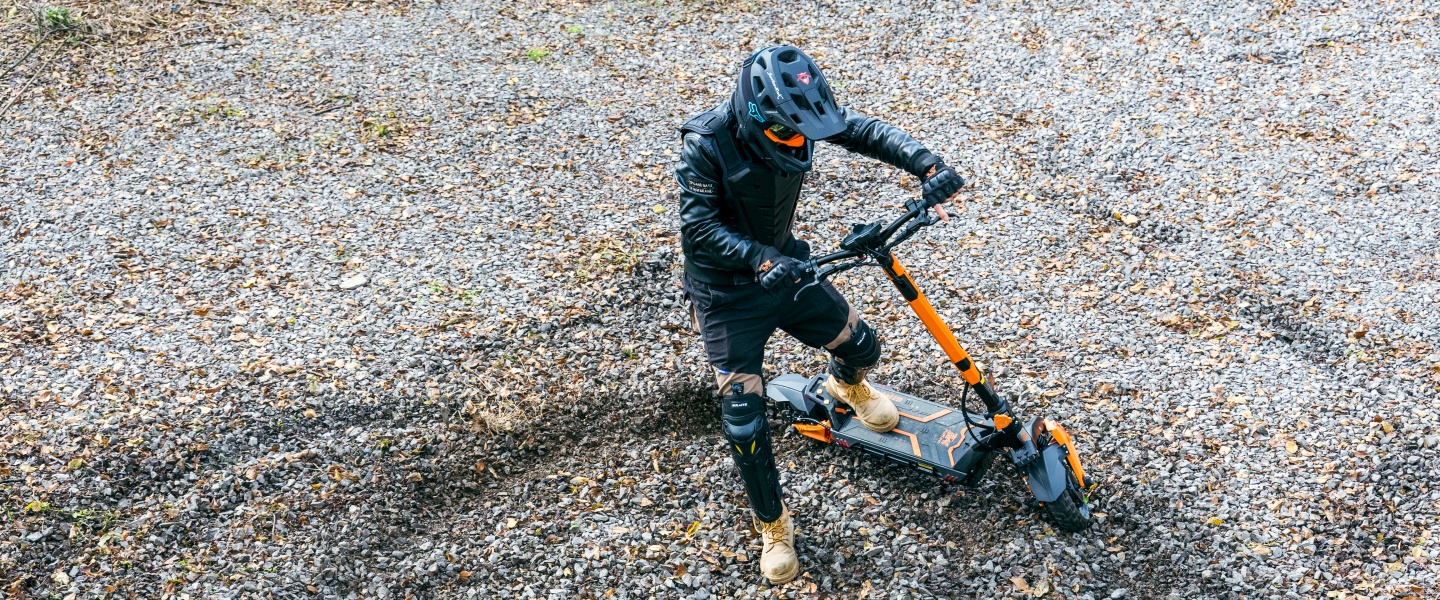
What Does Electric Scooter Motor Power Mean?
Motor power is usually measured in watts (W). It describes the electrical power associated with the scooter's motor.
What Does Wattage Tell You?
In general, a higher-powered motor can provide more driving force when the scooter needs it.
This can be particularly useful when:
- Accelerating from a stop
- Riding uphill
- Carrying a heavier load
- Riding on uneven or challenging terrain
- Maintaining performance when conditions become more demanding
However, motor wattage should not be viewed as a direct measurement of top speed.
A scooter with a more powerful motor does not necessarily have a higher legal or advertised maximum speed. Other factors, including battery voltage, controller settings, rider weight, terrain and local regulations, can also affect performance.
Power Is Only One Part of the Picture
When comparing electric scooters, it is better to look at the complete specification rather than focusing on wattage alone.
Battery capacity, voltage, tyres, suspension, weight and overall design can all influence how a scooter performs in real-world conditions.
That is why two scooters with similar motor power can still feel different to ride.
How Does Motor Power Affect Your Ride?
Motor power becomes most noticeable when the scooter is working harder.
Acceleration
A more powerful motor can provide stronger acceleration, depending on the scooter's controller, battery and other components.
For riders who frequently start and stop in urban environments, responsive acceleration can make everyday riding feel smoother and more confident.
However, acceleration should always be controlled according to the riding environment. More power does not mean that you need to use maximum acceleration all the time.
Hill Climbing
Motor power can also make a difference when riding uphill.
On a flat road, a lower-powered scooter may perform perfectly well. Once you encounter a steep hill, however, the motor needs to work harder to maintain speed.
This is one reason riders who regularly travel through hilly areas may benefit from a higher-powered scooter.
Carrying Weight
The total load also matters.
A heavier rider, luggage or additional cargo requires more effort from the motor, particularly when starting or climbing.
If you regularly carry extra weight, having some additional motor capacity can help the scooter handle demanding situations more comfortably.
How Much Motor Power Do You Actually Need?
There is no single wattage that is right for everyone.
The best choice depends mainly on your riding environment and how you intend to use your scooter.
For Everyday City Riding
If your main use is commuting on relatively flat roads, you may not need an extremely powerful motor.
A moderate-power scooter can be suitable for everyday journeys, especially when portability, efficiency and ease of handling are important.
For many riders, the goal is not maximum power but a balanced combination of performance and practicality.
For Hilly Routes and Longer Rides
If your daily route includes regular hills or you often ride longer distances, additional motor power can be useful.
A stronger motor can provide more assistance when climbing and accelerating, particularly when combined with a suitable battery and controller system.
This is where models with around 800W or more may become attractive to riders looking for additional performance.
For Performance-Oriented Riding
Some riders want more than basic commuting performance.
If you enjoy stronger acceleration, challenging terrain or more performance-focused riding, a higher-powered scooter or dual-motor setup may be more suitable.
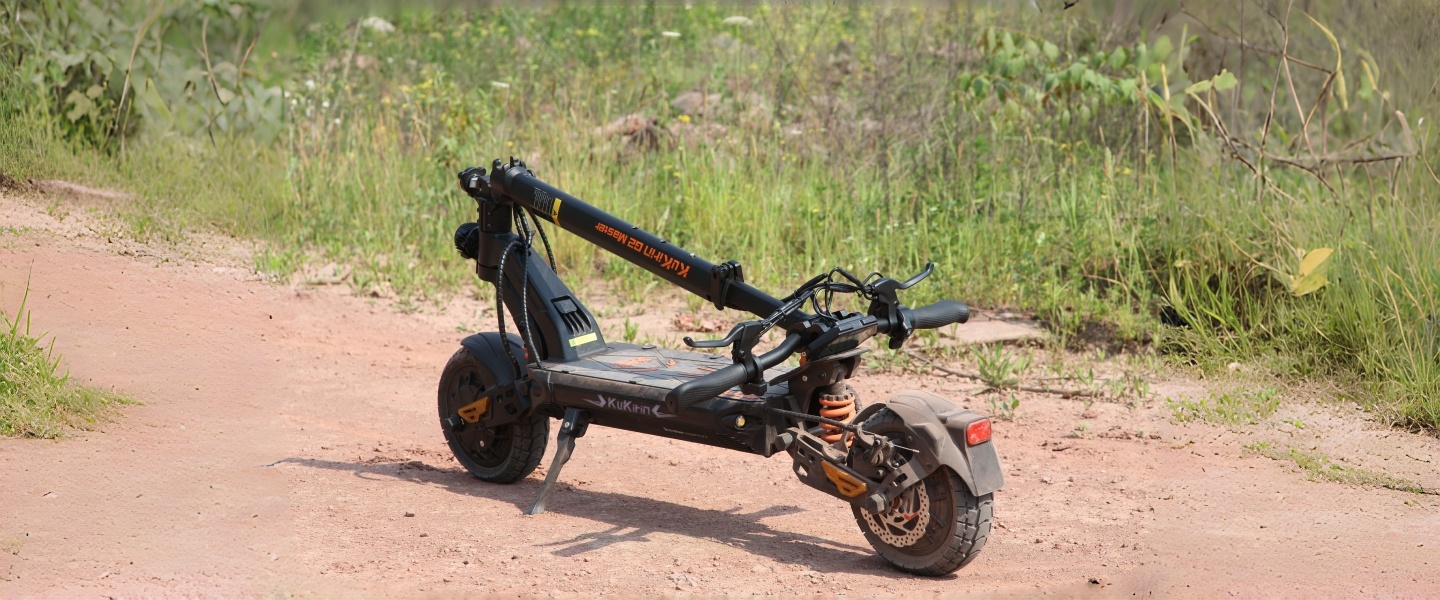
For example, the KuKirin G2 Master uses dual 1000W motors, giving it a very different performance profile from a lower-powered single-motor commuter scooter.
The important point is that you should choose this level of power because it matches your riding needs, rather than simply because the number looks bigger.
Single Motor or Dual Motor?
Motor power is not only about the wattage of one motor.
Some electric scooters use a single motor, while performance-oriented models may use two motors.
Single-Motor Scooters
A single-motor setup is often sufficient for everyday commuting and general urban riding.
It can offer a simpler configuration while keeping the scooter relatively straightforward to operate and maintain.
For riders who mainly travel on flatter roads, single-motor performance may already meet their needs.
Dual-Motor Scooters
Dual-motor scooters have a motor driving each wheel.
This configuration can provide stronger overall driving force and improved traction, especially when accelerating or riding on inclines.
However, dual-motor scooters can also be heavier and more performance-focused, so they may not be necessary for someone who only needs a simple commuter scooter.
Does More Motor Power Mean Better Performance?
Not necessarily.
This is one of the most important things to understand when comparing electric scooters.
Look Beyond the Wattage
A scooter's real-world performance depends on how its motor works together with the rest of the electrical and mechanical system.
You should also consider:
- Battery voltage and capacity
- Controller configuration
- Scooter weight
- Tyre size and type
- Suspension
- Rider weight
- Terrain
- Riding conditions
For example, a powerful motor paired with a suitable battery and controller can deliver a different experience from a similarly rated motor in a completely different scooter design.
Consider Your Actual Riding Environment
Before choosing a powerful scooter, ask yourself a few simple questions:
Where will I ride?
Mostly flat city streets or regular hills?
How much do I carry?
Just yourself or additional luggage?
What kind of ride do I want?
Simple commuting or stronger performance?
Do I need portability?
A larger motor and battery can increase the overall weight of the scooter.
These questions can help you choose power based on your actual needs rather than simply comparing the biggest number.
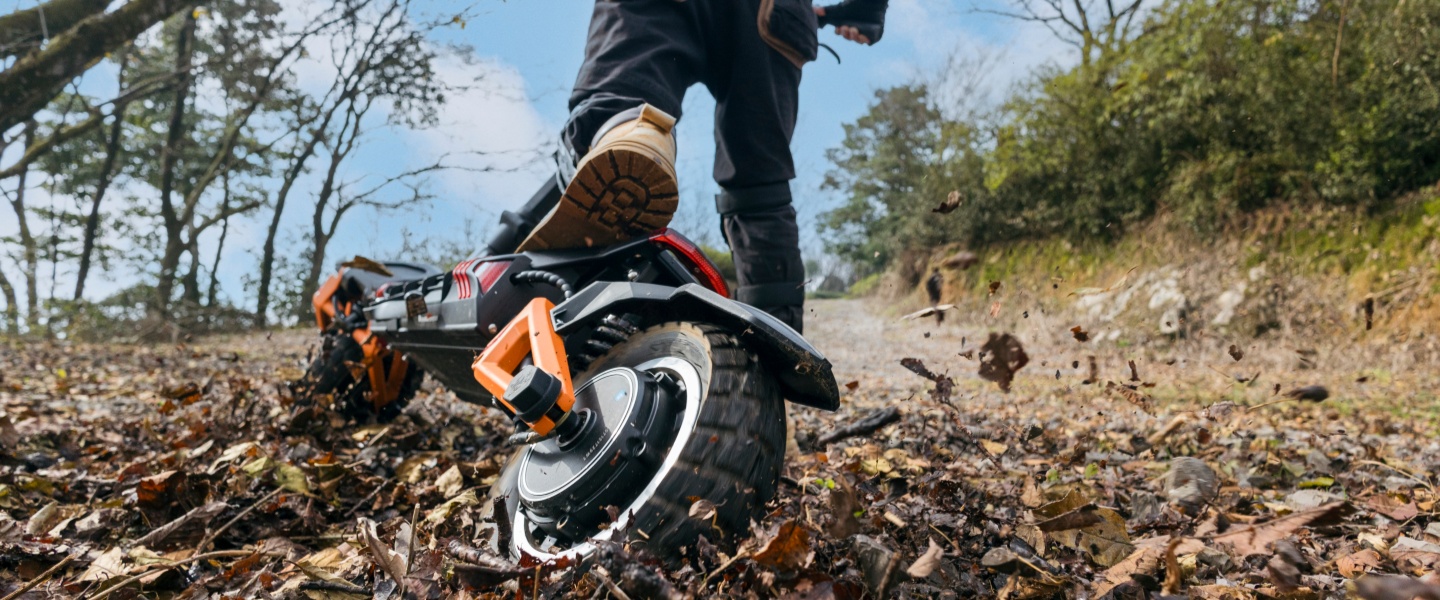
How to Choose the Right Motor Power
The best electric scooter is not necessarily the one with the highest motor rating.
Instead, think about your daily riding conditions and choose enough power to handle them comfortably.
Choose Based on Your Routes
Flat urban routes generally place fewer demands on the motor, while steep hills and uneven terrain may require more power.
Think About Your Riding Style
If you mainly use your scooter for commuting, balanced performance may be more useful than maximum power.
If you enjoy stronger acceleration or more demanding riding conditions, a higher-powered or dual-motor scooter may make more sense.
Remember the Rest of the Scooter
Motor power should always be considered alongside the battery, tyres, suspension, braking system and overall scooter weight.
A well-balanced scooter can provide a better everyday experience than one that simply has a larger motor rating.
Final Thoughts
Motor power is an important part of an electric scooter's specification, but it is not the only factor that determines performance.
Higher power can be useful for acceleration, hills, heavier loads and demanding riding conditions. At the same time, riders who mainly commute on flat city roads may not need the highest-powered scooter available.
The key is to match the motor to your route, riding style, load and performance expectations.
Instead of asking, “How many watts is the most?”, a better question is:
“How much power do I actually need?”
Once you know the answer, it becomes much easier to find an electric scooter that fits your everyday riding needs.