

When choosing an electric scooter, most people focus on top speed, battery range and motor power. However, there is another important factor that should not be overlooked: the maximum weight limit.
An electric scooter's weight capacity affects more than just how much weight it can carry. It can also influence acceleration, climbing ability, battery consumption, braking and overall riding comfort.
Whether you are buying your first electric scooter or upgrading to a more powerful model, understanding weight limits can help you make a better decision.
In this guide, we will explain what electric scooter weight limits mean, how rider weight affects performance, what can happen if you exceed the recommended capacity and how to choose a suitable scooter for your needs.
What Is the Weight Limit on an Electric Scooter?
The weight limit, also known as maximum load capacity, refers to the maximum weight an electric scooter is designed to support during use.
This figure is determined by several factors, including the scooter's frame, motor, battery, tyres, suspension and braking system.
It is important to understand the difference between three measurements:
- Maximum Load: The maximum weight the scooter is designed to carry.
- Scooter Weight: The weight of the electric scooter itself.
- Rider Weight: Your body weight, including clothing and any additional items you carry.
When checking a scooter's specifications, always pay attention to its maximum load rather than confusing it with the scooter's own weight.
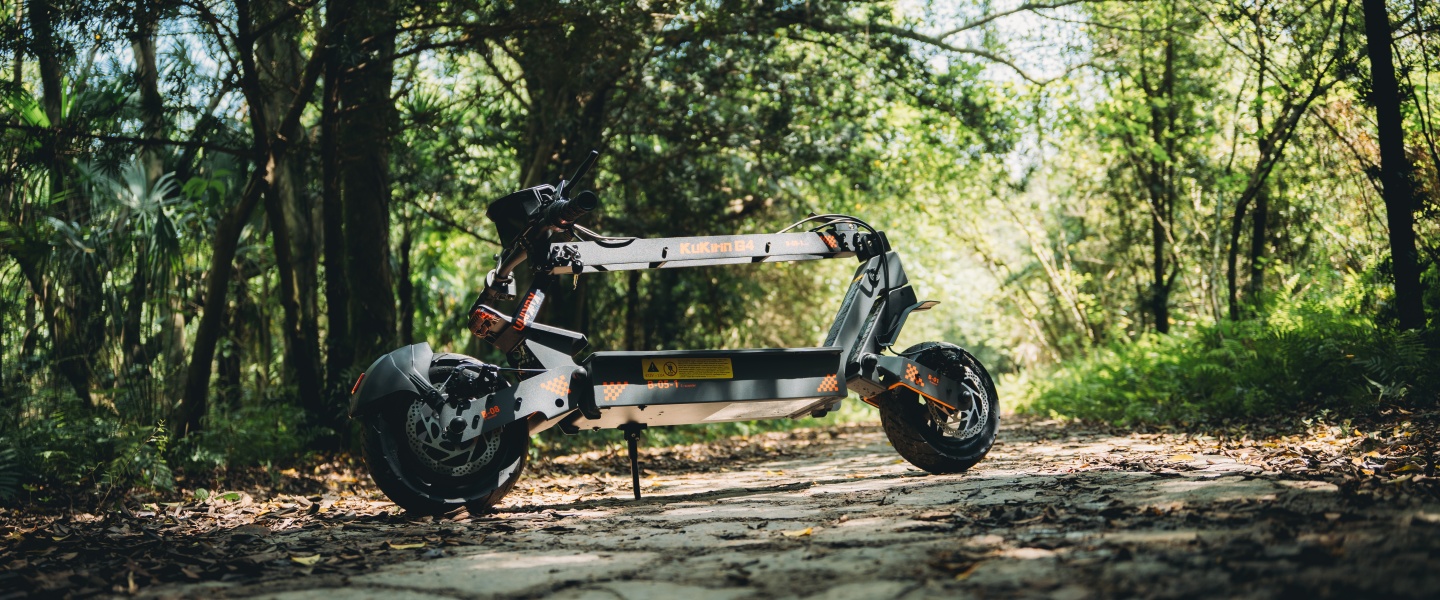
For example, the KuKirin G4 has a maximum load capacity of 120kg. This means riders should consider their own weight alongside anything else they carry when deciding whether the model is suitable.
You can find this information on the KuKirin G4 electric scooter product page.
How Does Rider Weight Affect Electric Scooter Performance?
Rider weight can influence several aspects of an electric scooter's performance. While the effect varies depending on the model and riding conditions, understanding these differences can help you set realistic expectations.
- Acceleration and Motor Performance
The motor needs to work harder to move a heavier total load.
When rider weight increases, the scooter may take longer to accelerate, particularly when starting from a standstill or travelling uphill.
A scooter with a suitable motor and load capacity can provide a more consistent riding experience, provided it is used within its recommended specifications.
- Battery Consumption and Riding Range
Rider weight is also one of the factors that can affect battery consumption.
A heavier load generally requires more energy to move, which may reduce the distance a scooter can travel on a single charge.
For example, the advertised maximum range is usually measured under specific test conditions. In everyday use, actual range can vary depending on rider weight, speed, road surface, temperature, wind and riding habits.
If you regularly carry additional luggage or travel longer distances, it is worth considering these factors when choosing a scooter.
- Hill-Climbing Ability
Riding uphill requires more power than travelling on flat ground.
When carrying a heavier load, the motor needs to overcome additional resistance, which can affect climbing speed and overall performance.
If your usual riding environment includes slopes or uneven terrain, look beyond the maximum speed figure. Consider the motor specifications and maximum load together.
- Braking and Handling
The total weight being carried can influence how an electric scooter responds when slowing down or changing direction.
A heavier load places additional demands on the braking system and can affect handling, particularly when travelling downhill or on uneven surfaces.
This is why choosing a scooter with suitable braking components, tyres and suspension is just as important as looking at motor power.
What Happens If You Exceed the Electric Scooter Weight Limit?
Every electric scooter has a specified maximum load for a reason. Exceeding it can place additional stress on components that were designed to operate within certain limits.
Here are some potential problems:
Increased Pressure on the Frame and Components
The frame, deck, folding mechanism and suspension all support the load during riding.
Carrying more weight than recommended can place additional stress on these components, potentially contributing to premature wear or mechanical damage.
Reduced Riding Performance
An overloaded scooter may experience slower acceleration, reduced climbing ability and greater battery consumption.This can make everyday riding less predictable, especially on slopes or uneven surfaces.
Increased Tyre and Suspension Stress
The tyres and suspension absorb much of the impact from the riding surface.
Excessive load may increase stress on these components and contribute to faster wear or damage.Regular inspections are important, but maintenance cannot make an overloaded scooter safe to use.
Potential Braking and Stability Issues
The additional load can affect how the scooter handles and stops.
For this reason, never assume that a scooter can safely carry more than its stated maximum capacity simply because it appears physically strong.
Always follow the manufacturer's recommended load limit.

How to Choose an Electric Scooter Based on Weight Capacity
Choosing an electric scooter should involve more than comparing speed and battery size. Your normal riding load and intended use should also influence your decision.
Here are four things worth considering before purchasing.
- Check Your Total Riding Load
Start by considering your body weight and the additional items you normally carry.
For example, if you regularly ride with a backpack, work equipment or shopping, remember that these items contribute to the total load.
It is sensible to leave some room below the maximum capacity rather than choosing a model that operates right at its limit.
- Consider Your Daily Riding Conditions
Think about where and how you plan to use your scooter.
If you mainly ride on flat, smooth surfaces, your requirements may differ from someone who regularly travels over slopes or rough terrain.
Your riding environment can influence the importance of motor power, tyre size, suspension and braking performance.
- Look Beyond the Maximum Weight Figure
Two electric scooters with the same maximum load may offer different riding experiences.
Other specifications worth comparing include:
- Motor rated power
- Battery capacity
- Tyre size and type
- Suspension design
- Braking system
- Overall scooter weight
A balanced combination of these features is more important than focusing on a single specification.
- Compare Different Models Before Buying
Taking the time to compare product specifications can help you avoid choosing a scooter that does not suit your needs.
For example, the KuKirin G4 offers a 2000W motor, a 60V 20Ah battery and a maximum load capacity of 120kg.
These specifications give potential buyers a clearer understanding of what the model offers.
You can also visit our KuKirin electric scooter comparison page to explore the specifications of different models before making your decision.
Tips for Getting the Best Performance from Your Electric Scooter
Choosing a scooter with the right weight capacity is only the first step. Good riding habits and regular maintenance also play an important role.
Here are a few practical tips:
- Stay within the recommended load: Always follow the maximum weight capacity specified by the manufacturer.
- Avoid unnecessary luggage: Carrying fewer additional items can help reduce the total load.
- Check tyre condition: Make sure your tyres are in good condition and maintain the recommended pressure.
- Inspect the brakes: Check your braking system regularly and address unusual noises or changes in braking response.
- Pay attention to unusual changes: If you notice reduced performance, unusual vibrations or mechanical noises, stop and inspect the scooter
- Follow the user manual: Every model has different specifications and maintenance requirements.
These simple habits can help keep your scooter in good condition and support a more consistent riding experience.
Frequently Asked Questions About Electric Scooter Weight Limits
What is the average weight limit for an electric scooter?
There is no universal weight limit for electric scooters. Different models are designed with different maximum load capacities, depending on their construction and components.
Always check the specifications of the exact model you are considering.
Does rider weight affect electric scooter range?
Yes. A heavier total load generally requires more energy, which may reduce the distance travelled on a single charge.
However, actual range also depends on speed, terrain, temperature, wind and riding conditions.
Can I carry a backpack on an electric scooter?
Yes, provided the additional weight does not cause you to exceed the scooter's maximum load capacity.
Make sure your belongings are secured properly and do not interfere with steering, balance or visibility.
Is a more powerful electric scooter always better for heavier riders?
Not necessarily. Motor power is important, but it is only one part of the equation.
You should also consider the maximum load, frame construction, suspension, tyres and braking system.
A suitable combination of these features is more important than motor power alone.
What is the maximum weight limit of the KuKirin G4?
The KuKirin G4 has a maximum load capacity of 120kg.
It also features a 2000W motor, a 60V 20Ah battery and 11-inch tubeless tyres. Riders should check the full product specifications and user manual before purchasing to make sure the scooter suits their requirements.
Conclusion: Choose an Electric Scooter That Matches Your Needs
An electric scooter's weight limit is more than just a number on a specification sheet. It plays an important role in how the scooter performs, handles additional loads and operates during everyday use.
Before purchasing, consider your total riding load, the terrain you expect to travel on and the features that matter most to you.
By choosing a model with an appropriate weight capacity and following the manufacturer's recommendations, you can make a more informed purchasing decision.
At KuKirin, we offer a range of electric scooters designed for different riding preferences and requirements. Take a closer look at our models, compare their specifications and find the scooter that suits your next adventure.